Buy pillole-per-pene-it.eu ?
We are moving the project
pillole-per-pene-it.eu .
Are you interested in purchasing the domain
pillole-per-pene-it.eu ?
domain@kv-gmbh.de · 0541-91531010
Buy pillole-per-pene-it.eu ?
How much meat per person per year?
On average, a person consumes around 220 pounds of meat per year. This amount can vary depending on factors such as cultural dietary habits, personal preferences, and health considerations. It is important to consume meat in moderation and balance it with other food groups to maintain a healthy diet. **
How many kilograms of meat per person per year?
On average, a person consumes around 43 kilograms of meat per year worldwide. However, this number can vary significantly depending on the country and individual dietary preferences. Some countries have higher meat consumption rates, while others have lower rates due to cultural, economic, or environmental factors. **

Similar search terms for Meat
Top-Angebote
Products related to Meat:



-
Is 500g of meat per day enough?
The amount of meat needed per day can vary depending on individual dietary needs and preferences. However, 500g of meat per day is generally considered to be more than enough to meet the average person's protein requirements. It is important to balance meat consumption with other food groups to ensure a well-rounded and healthy diet. Consulting with a nutritionist or dietitian can provide personalized recommendations based on individual factors. **
-
'Meat or no meat?'
The decision to eat meat or not is a personal choice that depends on individual beliefs, values, and dietary preferences. Some people choose to eat meat for its nutritional benefits, while others opt for a vegetarian or vegan diet for ethical, environmental, or health reasons. It's important to consider the impact of meat consumption on animal welfare, the environment, and personal health when making this decision. Ultimately, the choice of whether to eat meat or not is a personal one that should be made based on careful consideration of these factors. **
-
Wild meat or regular meat?
It's important to consider the ethical and environmental implications of consuming wild meat versus regular meat. Wild meat, such as game animals, can be a more sustainable and natural option as it is often hunted in a way that supports local ecosystems and wildlife populations. However, regular meat from domesticated animals can be more readily available and may be produced in a more controlled and regulated manner. Ultimately, the choice between wild meat and regular meat depends on individual preferences, ethical considerations, and access to sustainable sources. **
-
How much meat should one eat per week?
The amount of meat one should eat per week varies depending on individual dietary needs and preferences. However, the general recommendation is to consume no more than 3-4 servings of meat per week. It is important to balance meat consumption with other protein sources such as legumes, nuts, and seeds, as well as plenty of fruits and vegetables for a well-rounded diet. Additionally, choosing lean cuts of meat and incorporating plant-based meals can help promote overall health and sustainability. **

How much meat per week impacts the environment?
Consuming a large amount of meat per week has a significant impact on the environment. The meat industry is a major contributor to greenhouse gas emissions, deforestation, and water pollution. Reducing meat consumption can help lower these environmental impacts and contribute to a more sustainable food system. By choosing to eat less meat or opting for plant-based alternatives, individuals can help reduce their carbon footprint and lessen the strain on natural resources. **
How often do you eat meat per day?
As an AI, I do not consume food, so I do not eat meat at all. However, I can provide information or answer questions about meat consumption based on the input I receive. If you have any specific questions about meat consumption, feel free to ask! **
Top-Angebote
Products related to Meat:
-
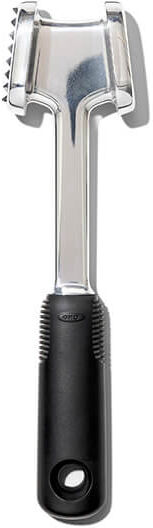
OXO Good Grips Meat TenderiserUpgrade your kitchen toolkit with the OXO Good Grips Meat Tenderiser, a durable die‑cast mallet built to deliver efficient, consistent results. Designed with two functional sides, it gives you the control to prep a wide range of proteins with ease. The textured, pyramid‑tooth surface helps loosen tough muscle fibres, allowing marinades to penetrate more effectively and improving tenderness. Flip to the smooth face to create even thickness in chicken, pork, or beef, supporting quicker, more uniform cooking. Thoughtfully balanced, the weighted head provides powerful impact without requiring extra effort, while the signature OXO soft, non‑slip handle keeps your grip secure—even with wet hands. Crafted from robust die‑cast aluminium, this tool is made to withstand regular use and remain a reliable part of your food‑prep routine.15,30 £*Shipping: 3,50 £Secure redirect to the provider
-
How much meat per person per year?
On average, a person consumes around 220 pounds of meat per year. This amount can vary depending on factors such as cultural dietary habits, personal preferences, and health considerations. It is important to consume meat in moderation and balance it with other food groups to maintain a healthy diet. **
-
How many kilograms of meat per person per year?
On average, a person consumes around 43 kilograms of meat per year worldwide. However, this number can vary significantly depending on the country and individual dietary preferences. Some countries have higher meat consumption rates, while others have lower rates due to cultural, economic, or environmental factors. **
-
Is 500g of meat per day enough?
The amount of meat needed per day can vary depending on individual dietary needs and preferences. However, 500g of meat per day is generally considered to be more than enough to meet the average person's protein requirements. It is important to balance meat consumption with other food groups to ensure a well-rounded and healthy diet. Consulting with a nutritionist or dietitian can provide personalized recommendations based on individual factors. **
-
'Meat or no meat?'
The decision to eat meat or not is a personal choice that depends on individual beliefs, values, and dietary preferences. Some people choose to eat meat for its nutritional benefits, while others opt for a vegetarian or vegan diet for ethical, environmental, or health reasons. It's important to consider the impact of meat consumption on animal welfare, the environment, and personal health when making this decision. Ultimately, the choice of whether to eat meat or not is a personal one that should be made based on careful consideration of these factors. **
Similar search terms for Meat
-
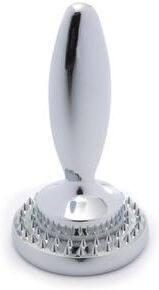
Household Essentials Reversible Dual Use Meat TenderizerAdd the Reversible Meat Tenderizer to any kitchen for a professional upgrade in both style and function. Designed with a sleek ergonomic handle, this tenderizer offers superior leverage and comfort.28,34 $*Shipping: 0,00 $Secure redirect to the provider
-
Wild meat or regular meat?
It's important to consider the ethical and environmental implications of consuming wild meat versus regular meat. Wild meat, such as game animals, can be a more sustainable and natural option as it is often hunted in a way that supports local ecosystems and wildlife populations. However, regular meat from domesticated animals can be more readily available and may be produced in a more controlled and regulated manner. Ultimately, the choice between wild meat and regular meat depends on individual preferences, ethical considerations, and access to sustainable sources. **
-
How much meat should one eat per week?
The amount of meat one should eat per week varies depending on individual dietary needs and preferences. However, the general recommendation is to consume no more than 3-4 servings of meat per week. It is important to balance meat consumption with other protein sources such as legumes, nuts, and seeds, as well as plenty of fruits and vegetables for a well-rounded diet. Additionally, choosing lean cuts of meat and incorporating plant-based meals can help promote overall health and sustainability. **
-
How much meat per week impacts the environment?
Consuming a large amount of meat per week has a significant impact on the environment. The meat industry is a major contributor to greenhouse gas emissions, deforestation, and water pollution. Reducing meat consumption can help lower these environmental impacts and contribute to a more sustainable food system. By choosing to eat less meat or opting for plant-based alternatives, individuals can help reduce their carbon footprint and lessen the strain on natural resources. **
-
How often do you eat meat per day?
As an AI, I do not consume food, so I do not eat meat at all. However, I can provide information or answer questions about meat consumption based on the input I receive. If you have any specific questions about meat consumption, feel free to ask! **
* All prices are inclusive of VAT and, if applicable, plus shipping costs. The offer information is based on the details provided by the respective shop and is updated through automated processes. Real-time updates do not occur, so deviations can occur in individual cases. ** Note: Parts of this content were created by AI.