Buy pillole-per-pene-it.eu ?
We are moving the project
pillole-per-pene-it.eu .
Are you interested in purchasing the domain
pillole-per-pene-it.eu ?
domain@kv-gmbh.de · 0541-91531010
Buy pillole-per-pene-it.eu ?
How many hedge plants per meter?
The number of hedge plants per meter can vary depending on the type of plant and the desired density of the hedge. As a general guideline, for small to medium-sized hedge plants, you can typically plant 3-5 plants per meter for a dense hedge. However, for larger hedge plants or if you prefer a less dense hedge, you may only need 1-2 plants per meter. It's important to consider the mature size of the plants and their growth habits when determining the spacing for your hedge. **
How many tomato plants per person?
The number of tomato plants per person can vary depending on factors such as the space available for gardening, the individual's consumption of tomatoes, and the variety of tomato plant being grown. On average, one to three tomato plants per person is a good starting point for a home garden. This can provide a steady supply of fresh tomatoes throughout the growing season without overwhelming the gardener with an excessive amount of produce. **

Similar search terms for Plants
Top-Angebote
Products related to Plants:
-
Kodotan sofa "24""Artificial Rose Decoration UV Resistant, Lifelike Faux Floral Plants Suitable for Indoor & Outdoor Decor, 2 Pots Per /Set"These artificial roses are meticulously crafted from high-quality silk petals, exuding a natural elegance that perfectly complements any decor style.143,49 $*Shipping: 0,00 $Secure redirect to the provider
-
DEVERA 2-Pack 5.2FT Artificial Areca Palm PlantsFeatures Space-enhancing foliage Creates vertical greenery for compact areas. Artificial green plant home decoration no watering living room decoration. Uv resistant and not easy to fade factory delivery.125,49 $*Shipping: 0,00 $Secure redirect to the provider




-
What are cruciferous plants, mint family plants, and leguminous plants?
Cruciferous plants are a group of vegetables that belong to the Brassicaceae family, including broccoli, cauliflower, cabbage, and kale. Mint family plants, also known as Lamiaceae family, include herbs like mint, basil, rosemary, and oregano. Leguminous plants are members of the Fabaceae family and are known for their ability to fix nitrogen in the soil, including beans, peas, lentils, and peanuts. Each of these plant families includes a variety of edible plants that are commonly used in cooking and gardening. **
-
Why are seeds of plants generally different in size?
Seeds of plants are generally different in size due to a variety of factors such as the species of the plant, its reproductive strategy, and its ecological niche. Larger seeds may have more energy reserves and nutrients to support the initial growth of the plant, while smaller seeds may be more numerous and have a higher chance of dispersal. Additionally, the size of seeds can also be influenced by environmental conditions and the availability of resources. Overall, the size of seeds is a result of the evolutionary adaptations of the plant to optimize its chances of successful reproduction and dispersal. **
-
Which plants?
There are many different types of plants in the world, ranging from flowering plants like roses and tulips to trees like oak and pine. Other common plants include grasses, ferns, succulents, and vegetables like tomatoes and carrots. Each type of plant has unique characteristics and requirements for growth, making them diverse and interesting to study and cultivate. **
-
What are new plants in Plants vs. Zombies?
In Plants vs. Zombies, new plants are introduced as the player progresses through the game. These new plants have unique abilities and characteristics that help in defending against the advancing waves of zombies. Some examples of new plants include the Cherry Bomb, which explodes and damages all zombies in its radius, and the Melon-pult, which hurls melons at zombies for heavy damage. Players must strategically choose and place these new plants to effectively combat the different types of zombies they encounter. **

Why are many arctic plants long-day plants?
Many arctic plants are long-day plants because they have adapted to the long periods of daylight that occur during the Arctic summer. These plants have evolved to take advantage of the extended daylight hours for photosynthesis and growth. By being able to photosynthesize for longer periods of time, arctic plants can maximize their growth and reproductive potential during the short growing season in the Arctic. **
Why are many Arctic plants long-day plants?
Many Arctic plants are long-day plants because they have adapted to the long periods of daylight during the Arctic summer. These plants have evolved to flower and reproduce when daylight hours are extended, allowing them to take advantage of the optimal growing conditions and maximize their chances of successful reproduction. By being long-day plants, they are able to synchronize their growth and flowering with the seasonal changes in daylight, ensuring their survival in the harsh Arctic environment. **
Top-Angebote
Products related to Plants:
-
RHS Propagating Plants: How to Create New Plants For Free (New Edition) - Non Fiction - Hardback DKFill your garden with beautiful plants for next-to-nothing Do you long to grow your own plants from scratch? This complete guide from the experts at the RHS will teach you how to propagate every type of plant. If you're a thrifty gardener who wants more plants for free, then this book is perfect for you! From fruit trees and ornamental shrubs to exotic orchids and succulents, get all the info you need to propagate 1,500+ garden plants. Crammed with hundreds of step-by-step tutorials and clear advice, ranging from straightforward and simple to more in-depth and challenging. The rating system in the plant-by-plant A-Z dictionaries provides you with a quick reference to the relative ease or difficulty of each method of propagation. How long do your seedlings need to germinate? What makes a healthy stem cutting? How do you know what type of rootstock to use when grafting plants? Find out the answer to these questions and more in the most comprehensive guide to propagating plants ever published.12,99 £*Shipping: 2,99 £Secure redirect to the provider
-
Kodotan sofa "24""Artificial Rose Decoration UV Resistant, Lifelike Faux Floral Plants Suitable for Indoor & Outdoor Decor, 2 Pots Per /Set"These artificial roses are meticulously crafted from high-quality silk petals, exuding a natural elegance that perfectly complements any decor style.143,49 $*Shipping: 0,00 $Secure redirect to the provider
-
How many hedge plants per meter?
The number of hedge plants per meter can vary depending on the type of plant and the desired density of the hedge. As a general guideline, for small to medium-sized hedge plants, you can typically plant 3-5 plants per meter for a dense hedge. However, for larger hedge plants or if you prefer a less dense hedge, you may only need 1-2 plants per meter. It's important to consider the mature size of the plants and their growth habits when determining the spacing for your hedge. **
-
How many tomato plants per person?
The number of tomato plants per person can vary depending on factors such as the space available for gardening, the individual's consumption of tomatoes, and the variety of tomato plant being grown. On average, one to three tomato plants per person is a good starting point for a home garden. This can provide a steady supply of fresh tomatoes throughout the growing season without overwhelming the gardener with an excessive amount of produce. **
-
What are cruciferous plants, mint family plants, and leguminous plants?
Cruciferous plants are a group of vegetables that belong to the Brassicaceae family, including broccoli, cauliflower, cabbage, and kale. Mint family plants, also known as Lamiaceae family, include herbs like mint, basil, rosemary, and oregano. Leguminous plants are members of the Fabaceae family and are known for their ability to fix nitrogen in the soil, including beans, peas, lentils, and peanuts. Each of these plant families includes a variety of edible plants that are commonly used in cooking and gardening. **
-
Why are seeds of plants generally different in size?
Seeds of plants are generally different in size due to a variety of factors such as the species of the plant, its reproductive strategy, and its ecological niche. Larger seeds may have more energy reserves and nutrients to support the initial growth of the plant, while smaller seeds may be more numerous and have a higher chance of dispersal. Additionally, the size of seeds can also be influenced by environmental conditions and the availability of resources. Overall, the size of seeds is a result of the evolutionary adaptations of the plant to optimize its chances of successful reproduction and dispersal. **
Similar search terms for Plants
-
DEVERA 2-Pack 5.2FT Artificial Areca Palm PlantsFeatures Space-enhancing foliage Creates vertical greenery for compact areas. Artificial green plant home decoration no watering living room decoration. Uv resistant and not easy to fade factory delivery.125,49 $*Shipping: 0,00 $Secure redirect to the provider
-
Seasalt Wavecrest Short Sleeve Top Apothecary Plants ChalkThe Seasalt Wavecrest Short Sleeve Top Apothecary Plants Chalk flaunts short sleeves and a relaxed fit. A softly rounded collar and notch neckline give the organic cotton shirt a distinctive detail, and it is finished with a curved hem and small side slits for easy movement. In an original Seasalt print, inspired by Cornish landscape. Made from 100% Organic Cotton. Machine washable.25,00 £*Shipping: 3,50 £Secure redirect to the provider
-
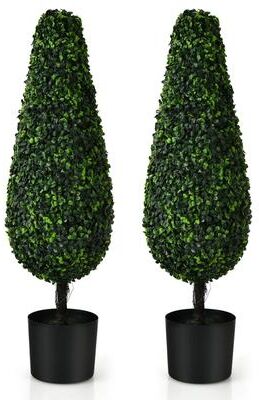
3ft Artificial Boxwood Tower Topiary Trees Decorative Greenery PlantsOur artificial greenery plants are as natural as they were, so lifelike that it is difficult to distinguish them from real flowers and plants. It could bring you fresh feeling from nature at any time of the year.202,99 $*Shipping: 0,00 $Secure redirect to the provider
-
Which plants?
There are many different types of plants in the world, ranging from flowering plants like roses and tulips to trees like oak and pine. Other common plants include grasses, ferns, succulents, and vegetables like tomatoes and carrots. Each type of plant has unique characteristics and requirements for growth, making them diverse and interesting to study and cultivate. **
-
What are new plants in Plants vs. Zombies?
In Plants vs. Zombies, new plants are introduced as the player progresses through the game. These new plants have unique abilities and characteristics that help in defending against the advancing waves of zombies. Some examples of new plants include the Cherry Bomb, which explodes and damages all zombies in its radius, and the Melon-pult, which hurls melons at zombies for heavy damage. Players must strategically choose and place these new plants to effectively combat the different types of zombies they encounter. **
-
Why are many arctic plants long-day plants?
Many arctic plants are long-day plants because they have adapted to the long periods of daylight that occur during the Arctic summer. These plants have evolved to take advantage of the extended daylight hours for photosynthesis and growth. By being able to photosynthesize for longer periods of time, arctic plants can maximize their growth and reproductive potential during the short growing season in the Arctic. **
-
Why are many Arctic plants long-day plants?
Many Arctic plants are long-day plants because they have adapted to the long periods of daylight during the Arctic summer. These plants have evolved to flower and reproduce when daylight hours are extended, allowing them to take advantage of the optimal growing conditions and maximize their chances of successful reproduction. By being long-day plants, they are able to synchronize their growth and flowering with the seasonal changes in daylight, ensuring their survival in the harsh Arctic environment. **
* All prices are inclusive of VAT and, if applicable, plus shipping costs. The offer information is based on the details provided by the respective shop and is updated through automated processes. Real-time updates do not occur, so deviations can occur in individual cases. ** Note: Parts of this content were created by AI.