Buy pillole-per-pene-it.eu ?
We are moving the project
pillole-per-pene-it.eu .
Are you interested in purchasing the domain
pillole-per-pene-it.eu ?
domain@kv-gmbh.de · 0541-91531010
Buy pillole-per-pene-it.eu ?
Why are french fries called french fries, when in French it means apples?
French fries are called "French fries" because they are believed to have originated in France. The term "French" in this context refers to the way the potatoes are cut into thin strips before being fried. The word "fries" comes from the cooking method of frying the potatoes. In French, the term "pommes frites" is used to refer to fried potatoes, not apples. **
What are the differences between Belgian French and French French?
Belgian French and French French are both variations of the French language, but there are some differences in vocabulary, pronunciation, and grammar. In terms of vocabulary, there are some words that are used differently in Belgium compared to France. Pronunciation can also vary, with Belgian French having some distinct sounds and accents. Additionally, there are some differences in grammar and syntax between the two variations. Overall, while they are mutually intelligible, there are enough differences to distinguish Belgian French from French French. **

Similar search terms for French
Top-Angebote
Products related to French:




-
Do sweets have a negative impact on performance enhancement?
Consuming sweets in moderation can provide a quick source of energy, which may be beneficial for performance enhancement in certain situations, such as during endurance activities or high-intensity workouts. However, excessive consumption of sweets can lead to a spike in blood sugar levels followed by a crash, which can negatively impact performance and energy levels. Additionally, a diet high in sweets and added sugars can contribute to weight gain and other health issues, which can ultimately hinder overall performance. It's important to strike a balance and consider the timing and quantity of sweets consumed in relation to performance goals. **
-
Why do French people mainly speak French?
French people mainly speak French because it is the official language of France and has been for centuries. The French language is deeply ingrained in the country's history, culture, and identity. It is also widely taught in schools and used in government, media, and business, making it the dominant language in the country. Additionally, the French government has implemented policies to promote and protect the use of the French language, further solidifying its importance in French society. **
-
Do only French-speaking people speak French?
No, French-speaking people are not limited to only those who are native to France. French is spoken as a first language in many countries around the world, including Canada, Belgium, Switzerland, and several African nations. Additionally, many people in countries with a history of French colonization may speak French as a second language. Therefore, French-speaking people come from diverse cultural and geographical backgrounds. **
-
Which French?
The term "Which French?" could refer to different aspects of the French language or culture. It could be asking about the specific dialect or regional variation of French being discussed, such as Canadian French, Swiss French, or African French. It could also be inquiring about the time period or historical context of French being referred to, such as Old French, Middle French, or Modern French. Clarifying the context of the question would help provide a more specific answer. **


Why do French people almost exclusively speak French?
French people almost exclusively speak French because it is the official language of the country and is deeply ingrained in the culture and history of France. The French government has historically promoted the use of the French language through policies and regulations, and it is also widely taught in schools. Additionally, the French take pride in their language and see it as an important part of their national identity, which further contributes to its widespread use. **
How does written French differ from spoken French?
Written French tends to be more formal and structured than spoken French. It often follows grammatical rules more closely and uses a wider vocabulary. In contrast, spoken French is more casual and may include slang, colloquial expressions, and informal language. Additionally, spoken French may have variations in pronunciation and intonation that are not always reflected in written form. Overall, the differences between written and spoken French reflect the varying contexts in which the language is used. **
Top-Angebote
Products related to French:
-
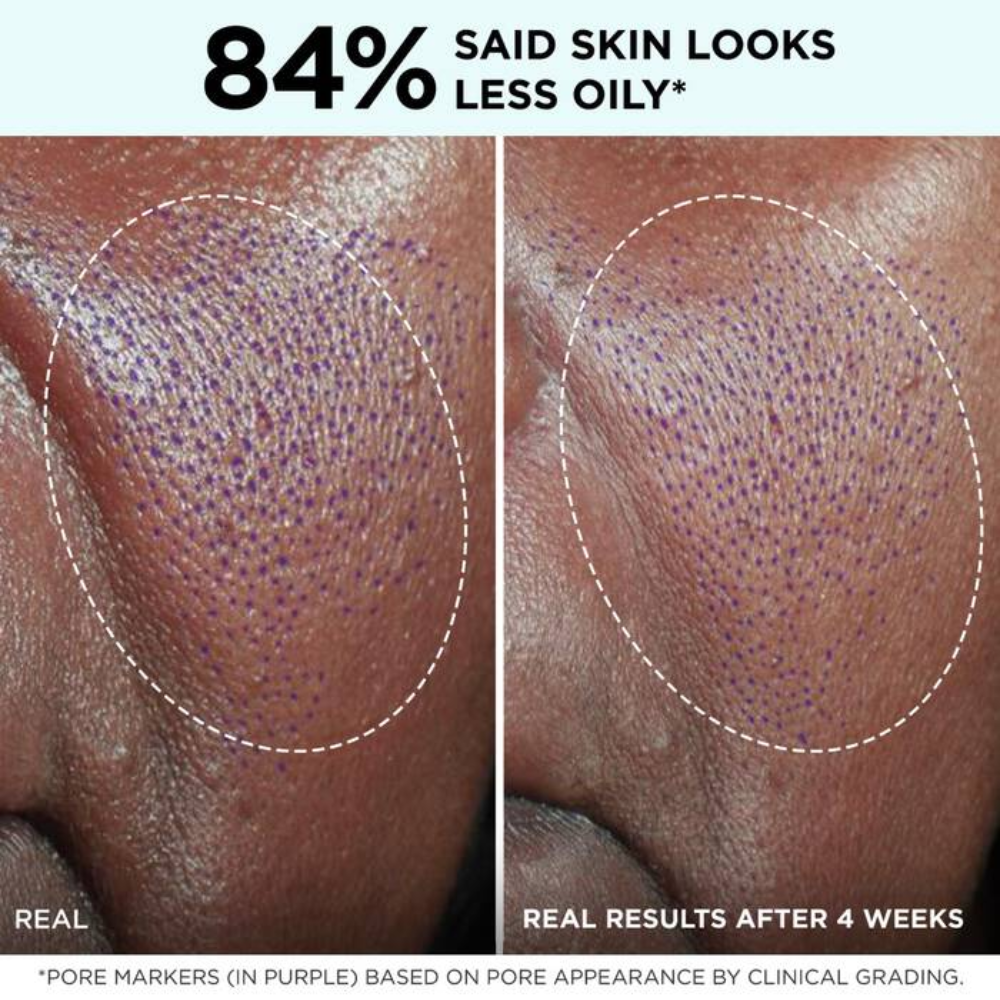
iT Cosmetics Confidence in a Gel Cream Moisturizer 60mLA facial cream for dark spots and uneven skin tone. Confidence in a Gel Cream is a lightweight, oil-free moisturizer designed to hydrate and nourish the skin. This gel cream provides a refreshing feel upon application, making it ideal for those with oily or combination skin. It effectively addresses concerns such as dryness and uneven texture, leaving the skin looking smooth and radiant.40,98 £*Shipping: 7,11 £Secure redirect to the provider
-
iT Cosmetics Confidence in a Cream Barrier Boost Repair Cream 60mLA facial cream for sensitive skin. Confidence in a Cream is a luxurious barrier repair cream designed to enhance the skin's natural barrier. This rich moisturizer provides deep hydration, leaving the skin feeling soft and supple while addressing dryness and sensitivity. Its creamy texture glides effortlessly onto the skin, making application a pleasure.39,72 £*Shipping: 7,11 £Secure redirect to the provider
-
Why are french fries called french fries, when in French it means apples?
French fries are called "French fries" because they are believed to have originated in France. The term "French" in this context refers to the way the potatoes are cut into thin strips before being fried. The word "fries" comes from the cooking method of frying the potatoes. In French, the term "pommes frites" is used to refer to fried potatoes, not apples. **
-
What are the differences between Belgian French and French French?
Belgian French and French French are both variations of the French language, but there are some differences in vocabulary, pronunciation, and grammar. In terms of vocabulary, there are some words that are used differently in Belgium compared to France. Pronunciation can also vary, with Belgian French having some distinct sounds and accents. Additionally, there are some differences in grammar and syntax between the two variations. Overall, while they are mutually intelligible, there are enough differences to distinguish Belgian French from French French. **
-
Do sweets have a negative impact on performance enhancement?
Consuming sweets in moderation can provide a quick source of energy, which may be beneficial for performance enhancement in certain situations, such as during endurance activities or high-intensity workouts. However, excessive consumption of sweets can lead to a spike in blood sugar levels followed by a crash, which can negatively impact performance and energy levels. Additionally, a diet high in sweets and added sugars can contribute to weight gain and other health issues, which can ultimately hinder overall performance. It's important to strike a balance and consider the timing and quantity of sweets consumed in relation to performance goals. **
-
Why do French people mainly speak French?
French people mainly speak French because it is the official language of France and has been for centuries. The French language is deeply ingrained in the country's history, culture, and identity. It is also widely taught in schools and used in government, media, and business, making it the dominant language in the country. Additionally, the French government has implemented policies to promote and protect the use of the French language, further solidifying its importance in French society. **
Similar search terms for French
-
Do only French-speaking people speak French?
No, French-speaking people are not limited to only those who are native to France. French is spoken as a first language in many countries around the world, including Canada, Belgium, Switzerland, and several African nations. Additionally, many people in countries with a history of French colonization may speak French as a second language. Therefore, French-speaking people come from diverse cultural and geographical backgrounds. **
-
Which French?
The term "Which French?" could refer to different aspects of the French language or culture. It could be asking about the specific dialect or regional variation of French being discussed, such as Canadian French, Swiss French, or African French. It could also be inquiring about the time period or historical context of French being referred to, such as Old French, Middle French, or Modern French. Clarifying the context of the question would help provide a more specific answer. **
-
Why do French people almost exclusively speak French?
French people almost exclusively speak French because it is the official language of the country and is deeply ingrained in the culture and history of France. The French government has historically promoted the use of the French language through policies and regulations, and it is also widely taught in schools. Additionally, the French take pride in their language and see it as an important part of their national identity, which further contributes to its widespread use. **
-
How does written French differ from spoken French?
Written French tends to be more formal and structured than spoken French. It often follows grammatical rules more closely and uses a wider vocabulary. In contrast, spoken French is more casual and may include slang, colloquial expressions, and informal language. Additionally, spoken French may have variations in pronunciation and intonation that are not always reflected in written form. Overall, the differences between written and spoken French reflect the varying contexts in which the language is used. **
* All prices are inclusive of VAT and, if applicable, plus shipping costs. The offer information is based on the details provided by the respective shop and is updated through automated processes. Real-time updates do not occur, so deviations can occur in individual cases. ** Note: Parts of this content were created by AI.